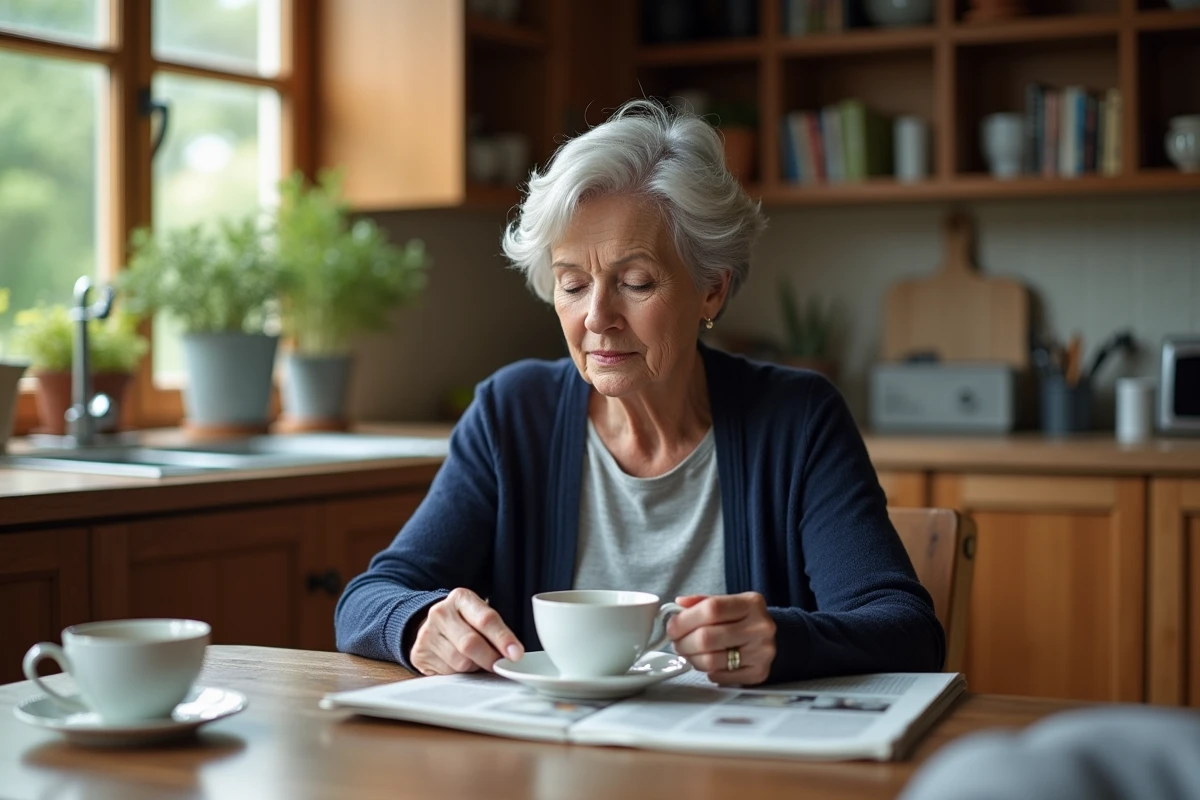
A parent who forgets to call back, a neighbor hesitant to go out in the rain, an online bill that cannot be paid without help. The daily lives of seniors in France hinge on these concrete details, much more than on major reforms. Understanding what really changes in their everyday life means identifying the friction points and the solutions that work.
AI Scams: The Threat Seniors Don’t See Coming
Have you ever received a call from a loved one whose voice sounded perfectly authentic, but who was asking for an urgent transfer? For a few years now, scams using generative AI tools (voice deepfakes, personalized chatbots) have been multiplying. Elderly people are the prime target for these new forms of fraud.
The mechanism relies on trust. Software replicates the voice of a grandson or a bank advisor. The message is credible, the tone natural. The voice deepfake scam exploits family trust, making it much more effective than a simple fraudulent email.
To protect oneself, a simple reflex works: hang up and call back the usual number of the person concerned. No bank or official organization asks for a password or code over the phone. Platforms like seniornews.fr regularly relay these alerts and detail the signals to watch for.
Housing Adaptation: What MaPrimeAdapt Changes for Staying at Home
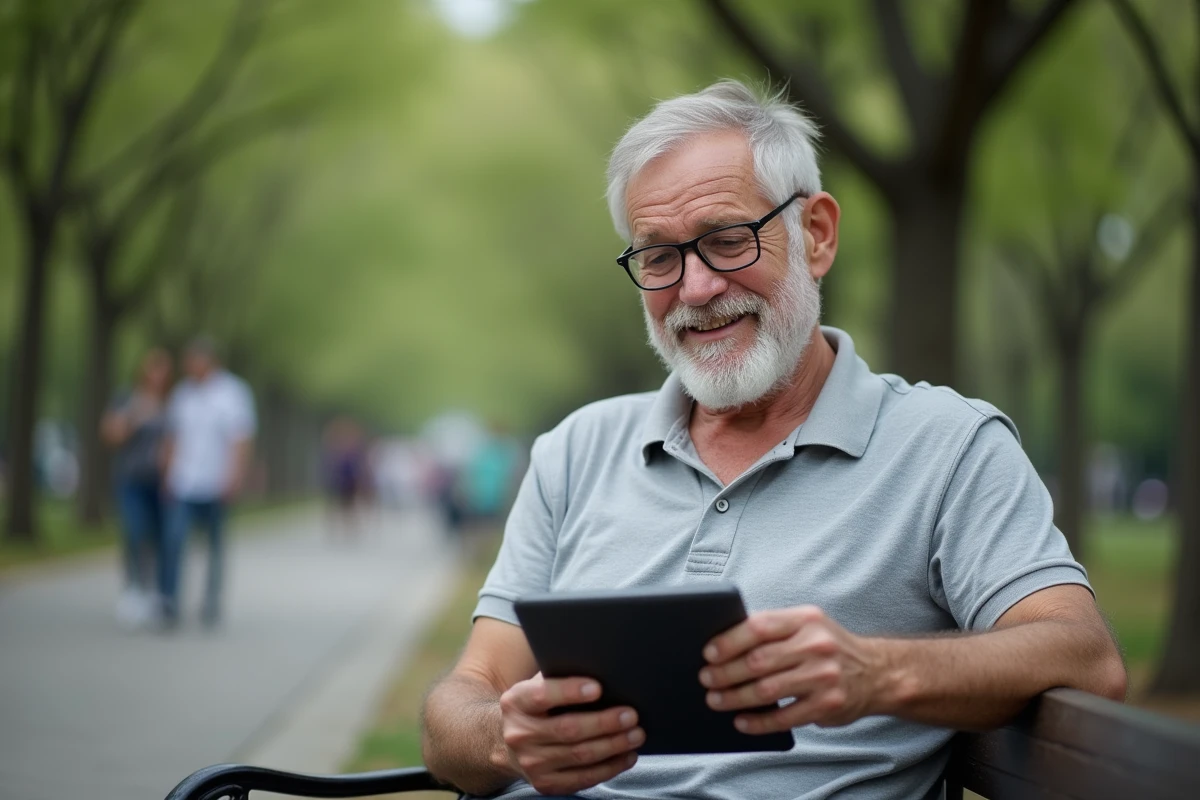
Staying at home as long as possible remains the wish of a large majority of seniors. The main barrier is not the desire, but the configuration of the housing. A bathtub to step over, a staircase without a handrail, insufficient lighting in the hallway: these everyday obstacles cause a considerable number of falls each year.
The MaPrimeAdapt scheme, supported by ANAH, was designed to help elderly homeowners and tenants finance accessibility renovations. Eligibility criteria have recently evolved, with revised income and age conditions. MaPrimeAdapt finances housing adaptation based on income and age.
Most Commonly Funded Renovations
- Replacing a bathtub with a walk-in shower with grab bars and non-slip flooring
- Installing a stairlift or a wheelchair ramp at the entrance of the home
- Setting up automatic motion-sensor lighting in passage areas (hallway, stairs, bathroom)
The application is submitted to ANAH or an approved advisor. Before any quotes, a housing assessment by an occupational therapist helps target truly useful modifications, rather than installing standardized equipment.
Fall Prevention: Simple Actions That Change Daily Safety
Falls are the leading domestic accident among people over 65. They often lead to a rapid, sometimes permanent loss of autonomy. A serious fall accelerates the loss of autonomy much more than natural aging.
Prevention does not solely rely on expensive renovations. Some practical adjustments significantly reduce the risk.
Checks to Make at Home
- Secure rugs to the floor or remove them, especially on smooth tiles
- Store electrical cords along the walls, never across a pathway
- Wear closed shoes with non-slip soles, even indoors
- Place everyday items (dishes, remote control, phone) at arm’s reach, without having to climb on a stool
Adapted physical activity plays a central role. Daily walking, balance exercises on one foot, gentle muscle strengthening: these practices maintain postural stability. Thirty minutes of walking per day measurably reduces the risk of falling, according to several prevention programs conducted in France.
Digital and Seniors: Overcoming the Divide Without Forcing Adoption
Accessing bank statements, making a medical appointment, filing taxes: the dematerialization of public and private services poses a concrete problem for a significant portion of seniors. The difficulty is not limited to “not knowing how to use a smartphone.”
The distinction between those aged 60-75, often connected and comfortable with common tools, and those over 80, frequently distanced from digital technology, redefines support strategies. Supporting a 68-year-old senior and an 85-year-old requires two distinct approaches.
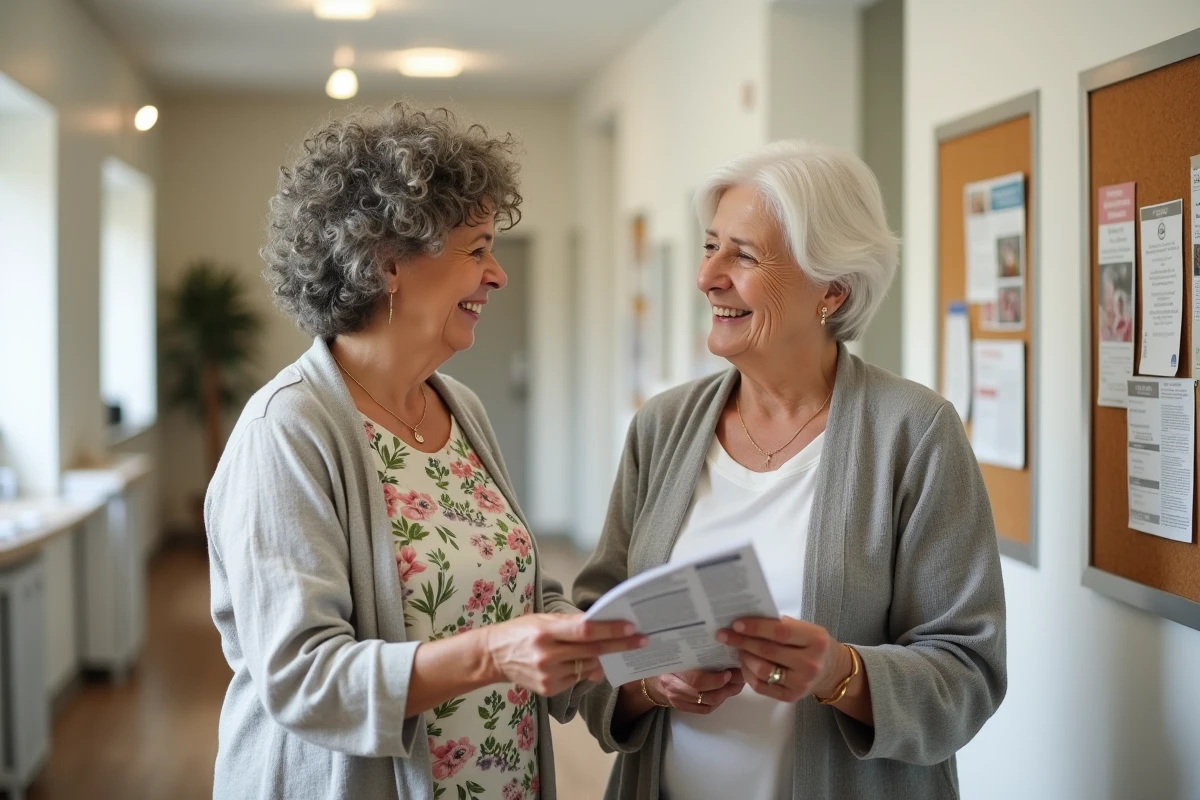
Local digital workshops, often offered by municipalities or social centers, allow for learning at one’s own pace. The most effective format relies on a pair: one helper (volunteer or professional) for one participant, with a concrete goal for each session (sending an email, checking a medical test result).
Health, teleassistance, or social connection applications are rapidly developing. Their adoption depends less on the technology than on the interface. A button that’s too small, a menu that’s too deep, an incomprehensible notification is enough to discourage a user. The simplicity of the interface determines real adoption by seniors.
The daily lives of seniors are transforming under the influence of new threats, evolving support systems, and a digitization that shows no signs of slowing down. Each situation requires a tailored response, not a generalized discourse. Checking the safety of one’s home, being wary of an overly urgent call, finding a digital workshop nearby: these concrete actions have a direct impact on autonomy and quality of life on a daily basis.