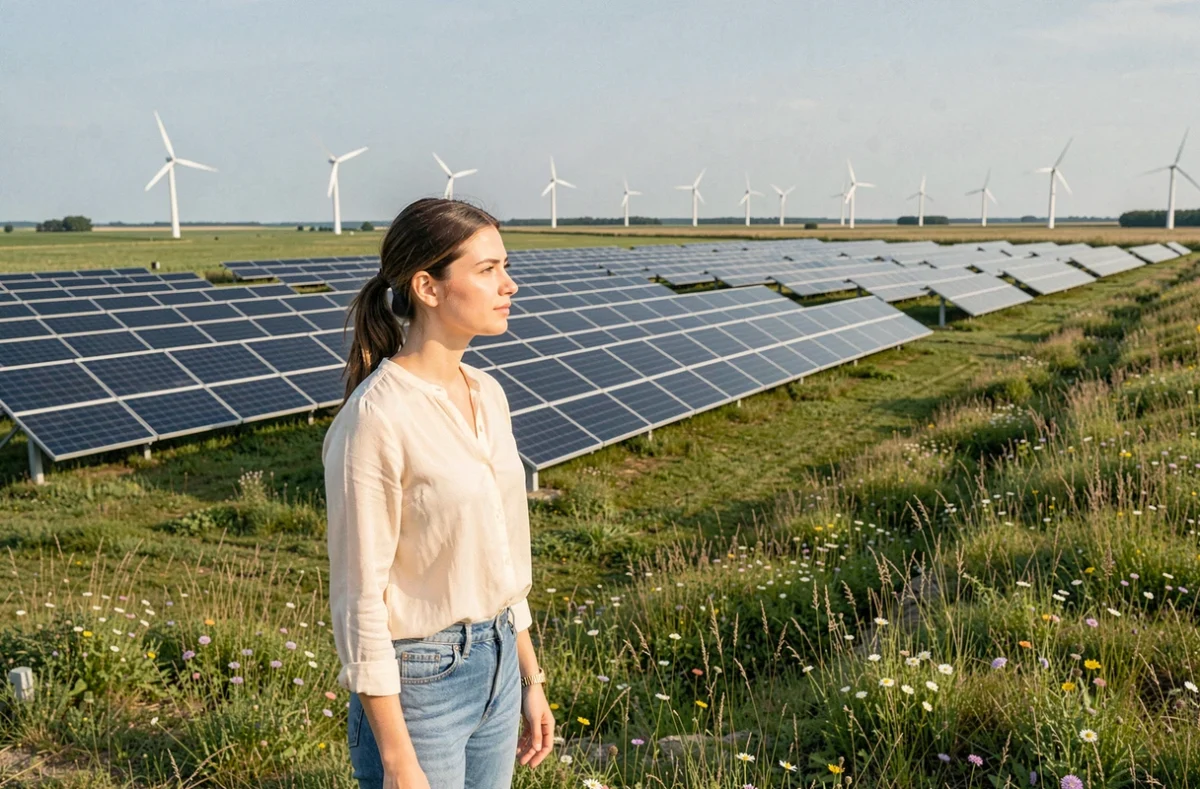
The growing environmental challenges and the depletion of fossil resources are pushing humanity towards more sustainable alternatives. Among them is the fascinating innovation of solar panels. These devices, which convert sunlight into usable energy, represent not only an ecological energy solution but also a promising technological revolution. The progress of this technology has led to increased accessibility, making it possible to integrate solar panels into homes around the world. As the energy transition becomes a global priority, understanding the strengths and challenges of solar panels is essential to anticipate the energy future of our planet.
How Solar Panels Work and Their Advantages
Solar panels consist of photovoltaic cells that capture sunlight to convert it into electricity. This process relies on the photovoltaic effect, discovered by the French physicist Alexandre-Edmond Becquerel in 1839.
- Ecological: No greenhouse gas emissions are produced during energy generation.
- Renewable: The sun is an inexhaustible source of energy, ensuring constant autonomy.
- Economic: Although the initial installation may be costly, the savings on energy bills quickly offset this investment.
Solar panels require little maintenance, making them a practical and efficient long-term option. Many governments offer financial incentives to encourage their use, making this technology even more attractive for individuals and businesses alike.
Challenges and Limitations of Solar Panels
Despite their many advantages, solar panels present certain limitations that must be considered for widespread adoption.
The performance of solar panels largely depends on weather conditions. In cloudy or rainy areas, energy production significantly decreases, making solar systems less reliable in certain regions. The initial cost of solar installations can be a significant barrier. Although prices have dropped considerably in recent years, they remain prohibitive for some families or small businesses. The space required to install enough panels to cover the energy needs of a home or business can also pose a problem, especially in urban areas where space is limited.
Innovative Technologies in the Solar Field
The solar energy sector is evolving rapidly, with numerous innovations aimed at improving energy efficiency and reducing costs. The development of new technologies plays a crucial role in this dynamic.
- Thin-film cells: Lighter and more flexible than traditional silicon cells, they allow for various applications, including on curved surfaces.
- Solar concentrators: These systems use lenses or mirrors to focus sunlight onto small photovoltaic cells, thereby increasing energy efficiency.
- Bifacial panels: Capable of capturing sunlight from both sides, these panels increase energy yield, particularly in snowy or sandy regions.
These constantly improving technologies promise to democratize access to solar energy for a larger number of households and businesses.
The Economic and Social Impact of Solar Panels
Beyond environmental considerations, the economic and social impact of solar panels is increasingly visible. The benefits go far beyond simply reducing energy bills.
The solar industry has become an essential job engine. From production to installation and maintenance, the sector generates thousands of jobs worldwide. Broader access to clean energy at an affordable cost can have positive repercussions on low-income communities, thereby improving quality of life and reducing energy poverty. The growing adoption of solar panels stimulates the green economy, encouraging innovation and investment in sustainable solutions. Solar panels promote global awareness of the importance of the energy transition and raise public consciousness about current environmental issues.
The potential of solar panels to transform our energy landscape is immense. While continuous efforts are needed to overcome technological and economic challenges, their increasing adoption is a step towards a more sustainable and environmentally friendly future. Solar energy, as a pillar of the energy transition, offers a promising solution to global energy crises, paving the way for a more resilient and self-sufficient society.