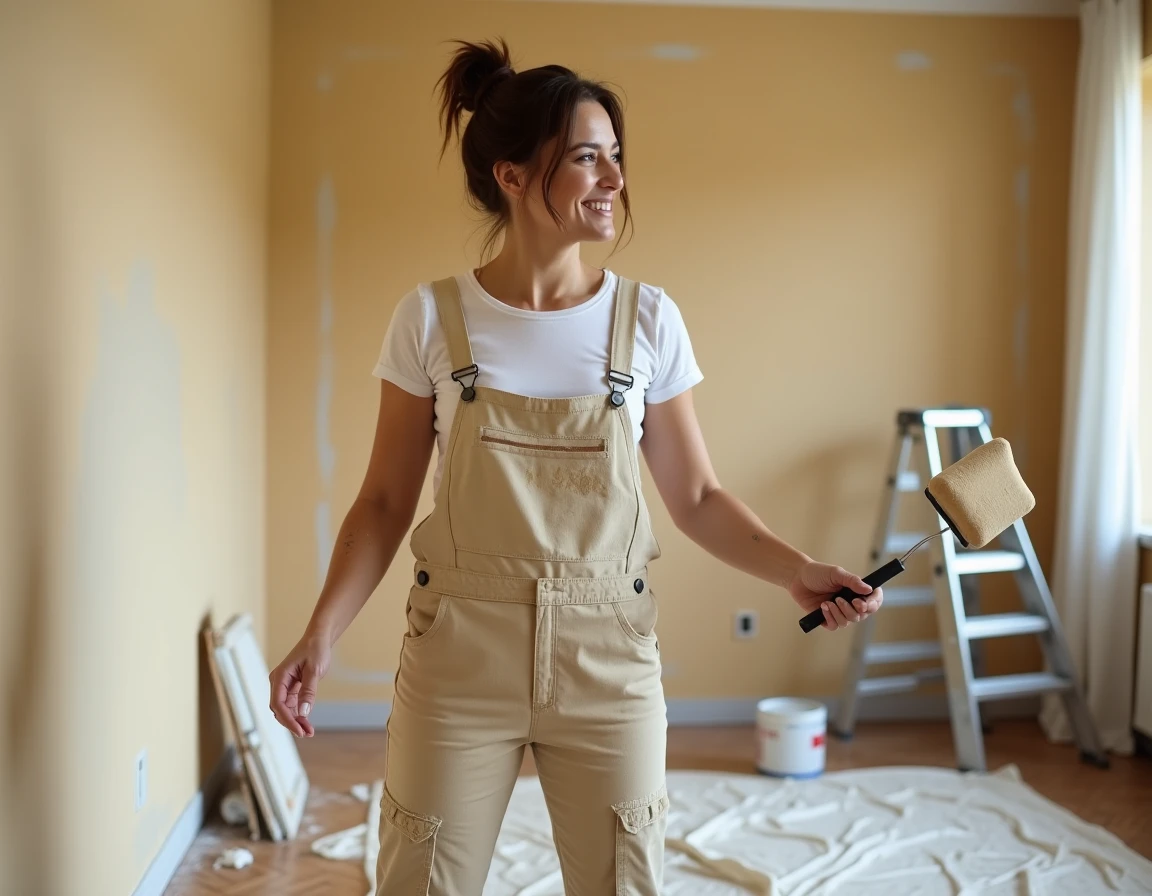
Repainting a wall, changing a floor covering, rethinking the layout of a room: home renovation and decoration projects often start with a simple desire. Taking action, however, requires a minimum of method to avoid unpleasant surprises, especially when the budget and deadlines are tight. Here’s how to approach an interior renovation project with concrete choices, from the first brushstroke to the finishing touches.
Decoration and energy renovation: two projects to consider together
Are you planning to redo your living room or kitchen? Before choosing a paint color, check the condition of your walls from the inside. A wall that feels cold to the touch, a trace of moisture at the bottom, or a draft near the windows indicate a lack of insulation.
Since the Climate and Resilience Law of 2021, homes rated G and then F in the energy performance diagnosis are gradually banned from being rented out. This constraint also affects owner-occupiers who wish to enhance their property. Combining decoration and insulation avoids having to redo the same wall twice.
Specifically, if you are installing decorative cladding or wooden paneling, now is the time to add thin insulation behind it. The same logic applies to window replacements: a new frame changes the dimensions of the openings, which requires touching up the finishes around them. It’s best to integrate these aspects into your project from the start rather than discovering them during the work.
Dedicated resources for interior renovation allow you to explore different approaches depending on the room in question, such as maisonkalixo fr on Zen et Déco, which gathers ideas and feedback on this type of work.

Interior renovation materials: decisions that change the outcome
The choice of materials has more impact on the durability of the project than on its immediate appearance. Tiles laid on a poorly prepared screed will crack within months. Low-quality paint yellows under natural light.
Floor: prioritize resistance to traffic
For a high-traffic room (entrance, kitchen, hallway), porcelain stoneware or rigid vinyl (like LVT) offers superior durability compared to entry-level laminate. Solid wood flooring remains a reliable choice in a living room or bedroom, provided you plan for sanding every ten to fifteen years.
Walls: preparation matters more than finishing
A well-sanded filler, an appropriate undercoat for the substrate (plaster, cement, wood), and two coats of paint applied in the correct order are enough to achieve a professional result. Skipping the undercoat stage wastes the finishing paint, which adheres poorly and covers unevenly.
- Pore substrates (new plaster, fresh render): fixing undercoat to block absorption before decorative painting.
- Previously painted substrates in dark colors: opaque white undercoat to avoid multiple finishing layers.
- Woodwork and interior joinery: light sanding with fine grain followed by a special wood primer, especially if transitioning from varnish to paint.
Home renovation budget: anticipate hidden costs
Most budget overruns do not come from the main material but from what is discovered when opening a wall or removing an old covering. Non-compliant electrical cables, outdated plumbing, the presence of asbestos in a false ceiling: technical surprises represent the primary source of additional costs in renovation.
Before signing a quote, ask the contractor what is included (and not included) in the service. A painting quote that does not include surface preparation will not have the same final price as an all-inclusive quote. Comparing two quotes without reading the details often leads to an unpleasant surprise.
For projects exceeding a certain amount, aid programs like MaPrimeRénov’ now require the involvement of a Rénov’ advisor. This professional conducts a comprehensive diagnosis of the home and proposes a coherent phasing of the work (insulation, heating, ventilation). Maximum aid is reserved for bundles of work combining several aspects, which changes the way to plan your budget.

Deadlines and coordination of a renovation project
Do you have your materials, budget, and contractors? The next question is the timeline. Professional building federations report that planning deadlines have lengthened in recent years. Booking a painter or tiler several months in advance has become common.
Scheduling trades in the correct order avoids downtime on the site. The logical sequence follows a simple rule: work from dirty to clean, from top to bottom.
- Structural work and insulation first (opening walls, doubling, plumbing or electrical work).
- Wall coverings next (render, paint, bathroom tiles).
- Floor covering last, to avoid damaging it during other work.
- Interior joinery (doors, baseboards) and decorative finishes at the very end.
If you are managing the project yourself without a project manager, a simple shared spreadsheet (online spreadsheet, project management app) is enough to coordinate intervention dates. Note the delivery times for each material: a special order tile can take several weeks, which delays everything else.
Interior decoration: choices that stand the test of time
A decoration trend rarely lasts more than a few seasons. The omnipresent terracotta shades from a while ago are already giving way to cooler palettes. Betting on neutral bases for fixed elements and touches of color for removable elements remains the most economical long-term strategy.
Walls and floors in subdued tones (off-white, light gray, beige) can accommodate all changes in furniture and textiles. Bright colors, on the other hand, can be concentrated on an accent wall, cushions, a rug, or light fixtures, which are easy to replace without restarting a project.
Wood, whether in flooring, shelving, or kitchen countertops, adds warmth to any interior space. Paired with touches of black metal or brass, it creates a sharp contrast without overwhelming the room. Lighting also plays a direct role in the ambiance: a well-placed pendant light above a kitchen island or table changes the perception of the entire space.
A successful renovation and decoration project relies less on the amount spent than on the order in which decisions are made. Building diagnosis, choice of materials suitable for the substrate, coordination of contractors, and only then decorative finishes: this sequence protects the budget and ensures a durable result.