The numbers leave no room for doubt: the walls of our homes often harbor air that is much more polluted than the busiest streets. The Agency for the Environment and Energy Management clearly states it: indoors, the concentration of harmful substances, volatile organic compounds, fine particles, mold, household allergens, can rise up to ten times the outdoor level. Invisible and persistent, these pollutants settle in every room, encouraged by our habits and material choices.
The absence of concrete regulations on indoor air turns each of us into guardians of what we breathe. This control comes through daily actions: ventilating each space, inspecting household products, paying attention to every object or material that crosses the front door. The air we breathe is subtly shaped over time by ordinary decisions that are crucial in the long run.
Indoor pollution: what our walls really hide
At home, nothing hints at how much the air can turn into a silent trap. Persistent fatigue, itchy eyes, allergies that settle in… Often, it’s due to a bad ventilation habit, furniture releasing chemical substances, or stagnant humidity. When we observe what is really happening, the list of culprits grows: formaldehyde, benzene, fine particles accumulate, encouraged by a lack of air renewal. According to the Observatory of Indoor Air Quality, a home that is too airtight or poorly ventilated encourages pollutants to multiply, without any visible warning.
When it comes to taking action, a clear method is essential: rely on advice that makes a difference. For a detailed overview and applicable recommendations, the solutions from noximaison.fr for the home synthesize what really works, going well beyond preconceived ideas or marketing gadgets. Here, there are no miracle recipes, just simple and effective adjustments to integrate into daily life.
Here are the first actions to remember to quickly limit indoor pollution:
- Identify strong odors from new furniture or objects: a scent that doesn’t fade often signals the presence of harmful compounds.
- Target paints and coatings with the A+ label. This marker guarantees lower emissions, but be careful not to rely solely on label marketing.
- Ventilate each room for at least a few minutes every day, regardless of the weather. Air renewal remains the main lever.
With repetition, these actions become routine and gradually reduce the invisible mass of pollutants in our homes.
Maintaining healthy air over time: simple actions, ongoing attention
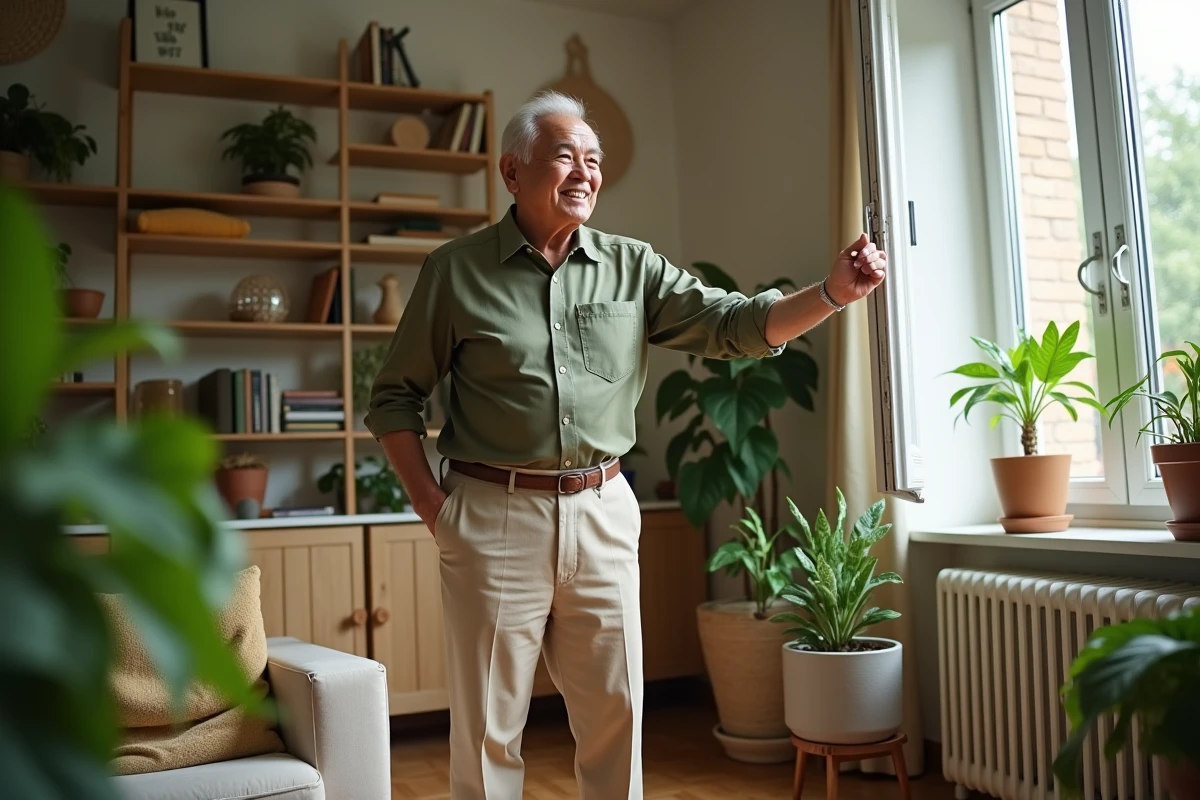
Air renewal, five minutes in the morning and evening, is enough to eliminate excess humidity, lighten the atmosphere, and prevent that stale feeling of confined space. This habit, adopted reflexively, already makes a difference in daily physical sensations.
On the equipment side, controlled mechanical ventilation (CMV) requires regularity and method. If the ducts remain clogged, efficiency drops dramatically. Two cleanings per year for vents and grilles: it’s little, but it’s crucial for keeping the air truly breathable.
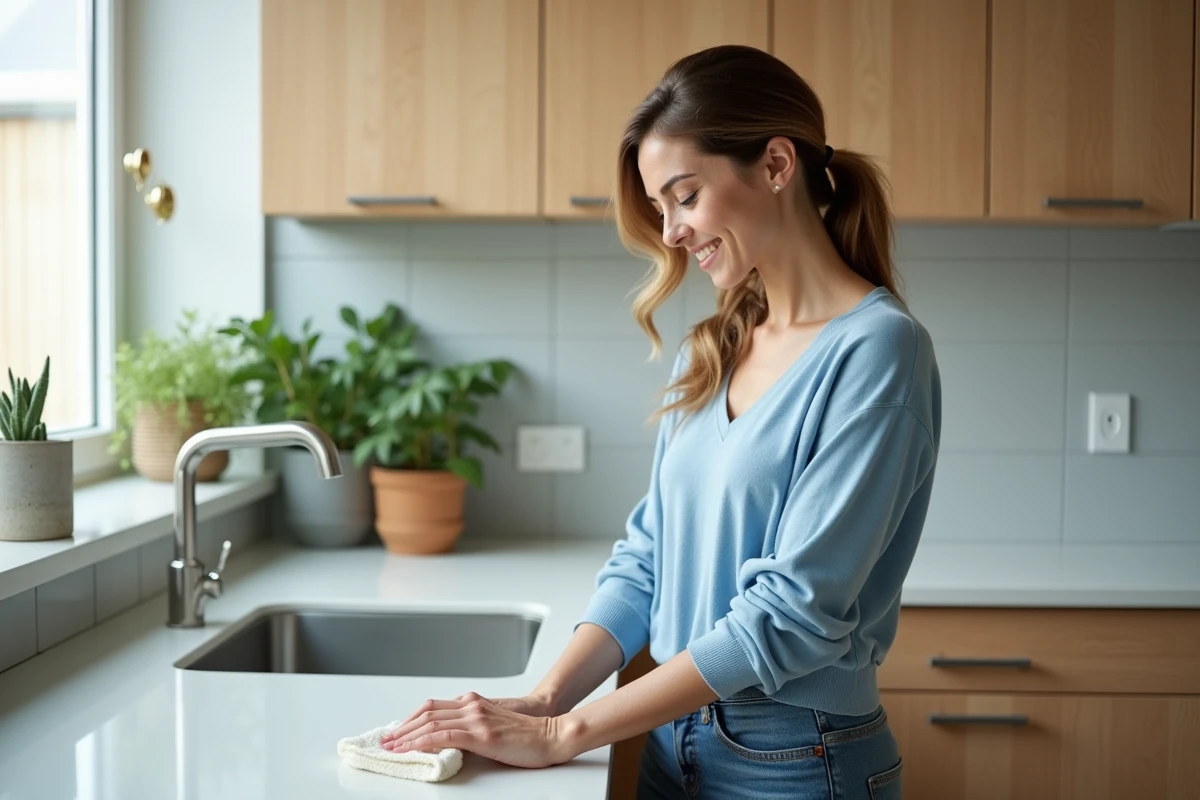
Forgetting unnecessary products makes routine maintenance easier. A microfiber cloth, white vinegar, a vacuum cleaner with a HEPA filter: this trio is enough to limit dust, mites, and allergens, without releasing new pollutants, unlike most sprays or artificial fragrances.
To keep the air healthy over time, other complementary habits deserve to be adopted:
- Dry laundry outside whenever possible, or lean out the open window to limit condensation and persistent humidity.
- React immediately to any signs of moisture after a leak or minor water damage: this slows down the aggressive growth of mold.
- Set aside scented candles, incense, and diffusers. They promise a pleasant atmosphere but release many potentially harmful compounds.
Effectiveness does not lie in the multiplication of products or accessories, but in the adherence to certain simple routines. Nothing spectacular, just consistency and discernment.
For a healthy interior: focus on the right choices, aim for longevity
The choice of materials and objects shapes the air and comfort of your home. An A+ paint, a natural floor, solid wood furniture: over the weeks, this choice reduces daily exposure to chemical emissions.
When the sensitivity of an occupant or the environment of the home requires it, installing a HEPA air purifier provides additional protection. On the plant side, a few robust species like the peace lily or certain ferns enhance the space, without radically purifying the air, but they reinforce that feeling of inner serenity.
If the house has a fireplace, stove, or boiler, maintenance should not be neglected: check the draft, schedule inspections, install the required detectors. This is where prevention takes place, without compromise, once winter arrives.
Continuing to purify the air also involves other simple habits that can be integrated without disrupting routines:
- Invest in dust mite-proof sheets and pillows to reduce exposure to allergens and ensure calmer nights.
- Prefer solid wood furniture over particle board to limit the continuous release of chemical substances.
- Choose household products without fragrances or irritating additives. Neutral formulas protect everyone’s health.
It is these patient habits that gradually lighten the atmosphere, much more than any miracle accessory. One eventually notices a tangible relief: an invitation to open the window, a calming ambiance, and a home where it becomes pleasant to breathe again, simply.